Metal Forming Machines Guide: Types, Uses, and Basics
Metal forming machines play a foundational role in modern manufacturing.
From automotive parts and construction materials to appliances and industrial equipment, many everyday products are shaped using metal forming processes. These machines transform raw metal into usable components by applying controlled force without removing material, making them efficient and versatile.
As industries continue to demand precision, consistency, and scalability, understanding how metal forming machines work has become increasingly important. Whether you are a student, engineer, procurement professional, or business owner, learning the basics of metal forming machinery can help you make informed decisions and better understand industrial production.
This guide explains what metal forming machines are, how they work, their benefits and limitations, the different types available, current industry trends, and practical considerations for selection and maintenance.
What Are Metal Forming Machines?
Metal forming machines are industrial tools designed to shape metal using mechanical force, pressure, or deformation. Instead of cutting material away, these machines reshape metal by bending, compressing, stretching, or rolling it into a desired form.
Common metals used in forming processes include steel, aluminum, copper, brass, and alloys. The process can be performed at room temperature (cold forming) or at elevated temperatures (hot forming), depending on material properties and production requirements.
Benefits of Metal Forming Machines
Material Efficiency
-
Minimal waste since material is reshaped rather than removed
-
Higher utilization of raw materials compared to machining
Strength and Durability
-
Formed metals often gain improved strength due to grain structure alignment
-
Components are more resistant to fatigue and stress
Production Speed
-
High-volume production is possible with consistent quality
-
Automated systems reduce cycle time
Cost Effectiveness
-
Lower material waste reduces overall production cost
-
Long tool life for dies and molds in mass production
Design Flexibility
-
Suitable for simple and complex shapes
-
Allows repeatable production with tight tolerances
Limitations and Challenges
Despite their advantages, metal forming machines also have constraints:
-
High initial investment for machinery, tooling, and setup
-
Limited design flexibility compared to additive manufacturing
-
Tooling costs increase when frequent design changes are required
-
Material limitations, as some metals are difficult to form without heat
-
Skill requirements for setup, operation, and maintenance
Understanding these limitations helps organizations select the right forming method for specific applications.
Types and Categories of Metal Forming Machines
Metal forming machines can be categorized based on the forming method and application.
1. Press Machines
Press machines apply compressive force using mechanical or hydraulic systems.
Common Types:
-
Mechanical presses
-
Hydraulic presses
-
Servo presses
Applications:
-
Stamping
-
Blanking
-
Punching
-
Coining
2. Rolling Machines
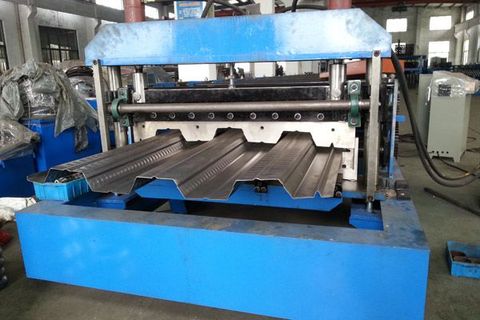
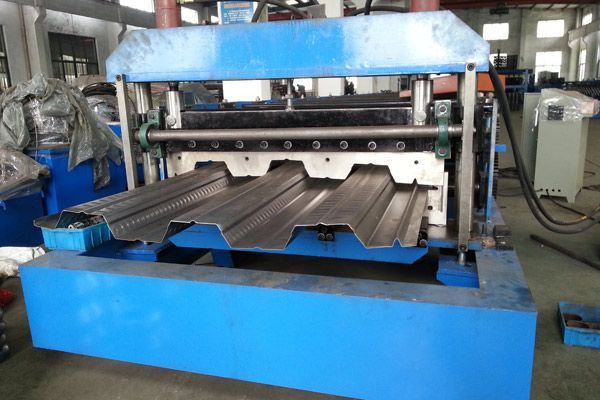
Rolling machines pass metal between rollers to reduce thickness or change cross-section.
Applications:
-
Sheet metal production
-
Structural beams
-
Pipes and plates
3. Bending Machines
Bending machines shape metal by applying force along a straight axis.
Examples:
-
Press brakes
-
Tube bending machines
Uses:
-
Frames
-
Enclosures
-
Structural components
4. Forging Machines
Forging machines shape heated metal using compressive force.
Types:
-
Hammer forging machines
-
Press forging machines
Applications:
-
Automotive parts
-
Aerospace components
-
Tools and fasteners
5. Extrusion Machines
Extrusion machines force metal through a die to create long, uniform cross-sections.
Common Products:
-
Aluminum profiles
-
Heat sinks
-
Rails and frames
Comparison Table: Common Metal Forming Methods
| Method | Temperature | Typical Products | Production Volume |
|---|---|---|---|
| Stamping | Cold | Panels, brackets | High |
| Rolling | Hot/Cold | Sheets, plates | Very high |
| Bending | Cold | Frames, tubes | Medium |
| Forging | Hot | Gears, shafts | Medium |
| Extrusion | Hot | Profiles | Medium to high |
Uses of Metal Forming Machines Across Industries
Metal forming machines are used in many sectors:
-
Automotive: Body panels, chassis parts, engine components
-
Construction: Beams, pipes, roofing materials
-
Aerospace: Structural parts, brackets, fittings
-
Electronics: Enclosures, connectors, shielding
-
Appliances: Housings, frames, internal supports
Their adaptability makes them essential across both heavy and light manufacturing.
Latest Trends and Innovations
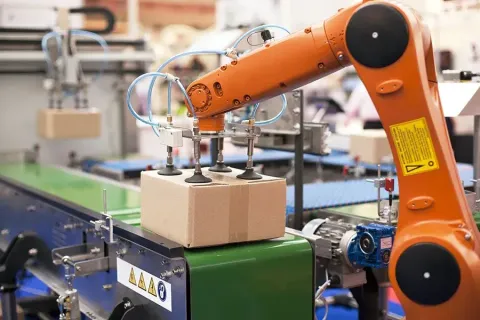
Automation and Robotics
-
Robotic material handling improves safety and consistency
-
Automated presses reduce human error
Servo Press Technology
-
Precise control over speed and force
-
Improved energy efficiency
Digital Monitoring
-
Sensors track pressure, temperature, and tool wear
-
Predictive maintenance reduces downtime
Lightweight Materials
-
Growing use of aluminum and advanced alloys
-
Machines adapted for thinner and lighter materials
Sustainability Focus
-
Energy-efficient systems
-
Reduced scrap and optimized material usage
Key Features to Consider
When evaluating metal forming machines, consider the following checklist:
-
Forming force capacity suitable for material thickness
-
Machine type based on production volume
-
Automation compatibility for future upgrades
-
Tooling flexibility for multiple product designs
-
Precision and repeatability
-
Energy efficiency and operating cost
-
Safety features such as guards and emergency stops
-
Ease of maintenance and spare parts availability
Top Companies and Solutions
Several manufacturers are well-known for metal forming machinery:
| Company | Specialization | Website |
|---|---|---|
| Schuler Group | Press systems and automation | https://www.schulergroup.com |
| Amada | Sheet metal forming machines | https://www.amada.co.jp |
| TRUMPF | Bending and forming technology | https://www.trumpf.com |
| Komatsu | Forging and press machines | https://www.komatsu.com |
| JIER | Large-scale metal forming equipment | https://www.jiermachine.com |
Availability and support vary by region, so local distributors should also be considered.
How to Choose the Right Metal Forming Machine
Step-by-Step Decision Guide
-
Define the application
Identify the metal type, thickness, and product shape. -
Estimate production volume
High-volume production may justify automation and advanced systems. -
Assess floor space and infrastructure
Some machines require reinforced foundations and high power supply. -
Consider future scalability
Choose systems that allow upgrades or tooling changes. -
Compare total ownership cost
Include energy use, maintenance, tooling, and downtime. -
Evaluate after-sales support
Training, service response, and spare parts access are critical.
Tips for Best Use and Maintenance
-
Follow manufacturer-recommended operating limits
-
Schedule regular inspections and lubrication
-
Monitor tooling wear and replace before failure
-
Train operators on safety and correct setup
-
Keep forming surfaces clean to prevent defects
-
Use real-time monitoring where available
-
Maintain detailed service and usage records
Proper maintenance extends machine life and improves output quality.
Frequently Asked Questions
What materials can metal forming machines process?
Most machines work with steel, aluminum, copper, brass, and alloys, depending on force capacity and tooling.
Is metal forming better than machining?
For high-volume production and material efficiency, forming is often more suitable than machining.
Are metal forming machines energy-intensive?
Energy use varies by machine type, but newer models focus on efficiency and controlled power usage.
Can one machine handle multiple products?
Yes, with interchangeable tooling and adjustable settings.
How long do metal forming machines last?
With proper maintenance, many machines operate effectively for decades.
Conclusion: A Practical Foundation for Manufacturing
Metal forming machines remain a cornerstone of industrial production. Their ability to efficiently shape metal while maintaining strength and consistency makes them indispensable across industries. While they require careful selection and investment, the long-term benefits in productivity, material efficiency, and scalability are significant.
For anyone involved in manufacturing or industrial planning, understanding the basics of metal forming machines is a valuable step toward making informed decisions. By aligning machine capabilities with production needs and maintaining equipment properly, organizations can build reliable and sustainable manufacturing operations.