Understanding Adjustable Beds and Mattresses: What to Know Before Choosing
Sleep plays a critical role in physical health, mental clarity, and daily productivity.
As people become more aware of how sleep quality affects long-term well-being, interest in adjustable beds and mattresses has grown steadily. Once associated mainly with hospitals or medical care, adjustable beds are now commonly used in homes for comfort, lifestyle flexibility, and sleep support.
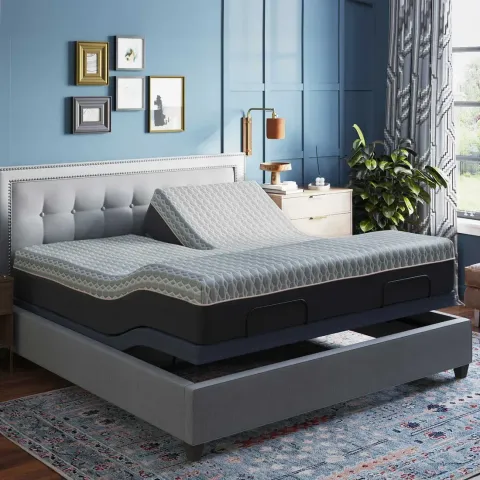
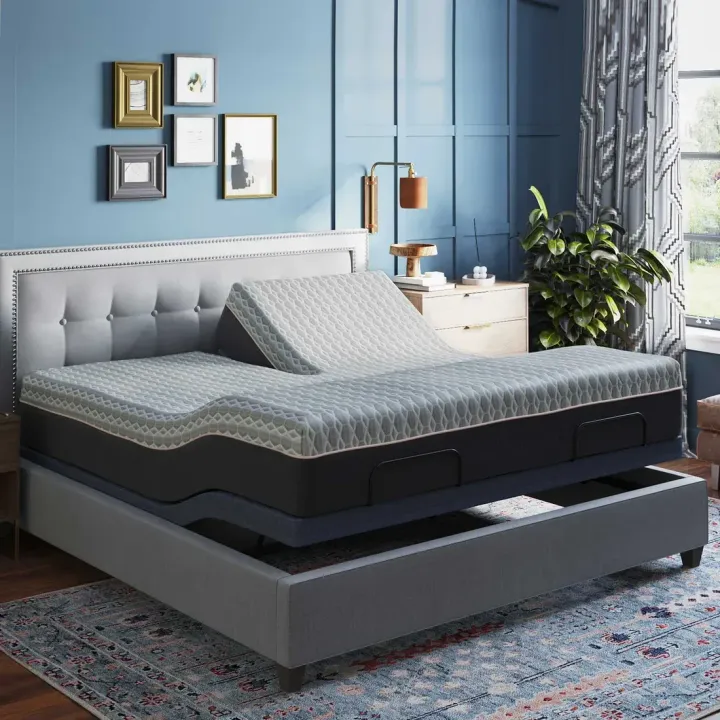
Adjustable beds allow users to change the position of the head, feet, or both, offering customizable comfort that traditional flat beds cannot provide. When paired with a compatible mattress, they can support different sleeping needs, routines, and preferences.
This article provides a clear, balanced overview of adjustable beds and mattresses, including benefits, limitations, types, current trends, key features, and practical tips to help readers make informed decisions before choosing one.
Benefits of Adjustable Beds and Mattresses
Improved Comfort and Sleep Positioning
Adjustable beds allow users to elevate their head or legs, which can help reduce pressure on certain areas of the body. Many people find it easier to read, watch television, or relax in bed with adjustable positioning.
Potential Health Support
While not a medical treatment, adjustable beds may help support comfort for individuals who experience:
-
Back or joint discomfort
-
Acid reflux symptoms when sleeping flat
-
Circulation concerns related to leg elevation
-
Snoring linked to sleep posture
Customization for Shared Beds
Split adjustable bases allow two people to customize their side of the bed independently, which can be helpful when partners have different comfort preferences.
Lifestyle Convenience
Some adjustable beds include features such as preset positions, under-bed lighting, or remote controls, making daily use more convenient.
Limitations and Considerations
Despite their advantages, adjustable beds and mattresses may not be suitable for everyone.
-
Higher upfront cost compared to standard bed frames
-
Compatibility requirements, as not all mattresses work with adjustable bases
-
Weight and size, making setup or relocation more difficult
-
Power dependency, meaning positioning features rely on electricity
-
Learning curve, especially for users unfamiliar with adjustable controls
Understanding these limitations helps set realistic expectations before purchase.
Types and Categories of Adjustable Beds
Adjustable Bed Bases
| Type | Description | Suitable For |
|---|---|---|
| Basic Adjustable Base | Head and foot elevation only | Entry-level users |
| Advanced Adjustable Base | Preset positions, massage, USB ports | Comfort-focused users |
| Split Adjustable Base | Independent adjustment on each side | Couples |
| Wall-Hugger Base | Moves upward rather than outward | Smaller bedrooms |
| Zero-Clearance Base | Can be placed inside bed frames | Design-conscious users |
Mattress Types Compatible With Adjustable Beds
| Mattress Type | Flexibility | Key Notes |
|---|---|---|
| Memory Foam | High | Adapts easily to movement |
| Latex | Moderate to high | Durable and responsive |
| Hybrid | Moderate | Must confirm base compatibility |
| Airbed | High | Adjustable firmness options |
| Traditional Innerspring | Low | Often not compatible |
Latest Trends and Innovations
Smart Bed Technology
Modern adjustable beds increasingly integrate smart features such as:
-
App-based controls
-
Sleep tracking sensors
-
Automatic position adjustments based on movement
Quiet Motor Systems
Newer models focus on reducing noise during position changes, improving nighttime comfort.
Zero-Gravity Positioning
Inspired by NASA research, this position elevates the legs and slightly raises the head to distribute body weight more evenly.
Sustainable Materials
Some manufacturers now use eco-conscious foams, recycled steel frames, and low-emission materials.
Modular Design
Beds designed for easier transport, installation, and part replacement are becoming more common.
Key Features to Consider Before Choosing
Use this checklist when comparing adjustable beds and mattresses:
Adjustable Bed Features Checklist
-
Head and foot elevation range
-
Remote or app-based control
-
Preset positions (flat, zero-gravity, lounge)
-
Weight capacity
-
Noise level of motors
-
Power backup or manual reset
-
Warranty coverage
Mattress Features Checklist
-
Flexibility for adjustable movement
-
Thickness compatibility
-
Pressure relief zones
-
Temperature regulation
-
Edge support
-
Motion isolation
-
Material durability
Top Companies and Commonly Available Solutions
The adjustable bed market includes both specialized sleep brands and mattress manufacturers offering integrated solutions. Common categories include:
-
Mattress brands with proprietary adjustable bases
-
Independent adjustable base manufacturers
-
Retailers offering mix-and-match systems
-
Online-only brands focused on simplified setups
When reviewing companies, look for:
-
Transparent specifications
-
Clear warranty terms
-
Compatibility documentation
-
Independent customer reviews
Avoid relying solely on brand popularity; focus on features and suitability for your needs.
How to Choose the Right Adjustable Bed and Mattress
Step 1: Define Your Primary Use
Ask whether the bed is mainly for sleep, relaxation, medical comfort, or lifestyle convenience.
Step 2: Measure Your Space
Confirm bedroom dimensions, ceiling height, and clearance for bed movement.
Step 3: Decide on Mattress Type
Choose a mattress that balances flexibility, support, and personal comfort preferences.
Step 4: Compare Total Cost
Include base, mattress, delivery, setup, and long-term maintenance.
Step 5: Review Return and Trial Policies
Sleep preferences are personal, so trial periods can reduce decision risk.
Step 6: Consider Long-Term Use
Think about durability, replaceable parts, and upgrade options.
Tips for Best Use and Maintenance
Everyday Use Tips
-
Adjust positions gradually to find comfortable angles
-
Use preset modes as a starting point, then customize
-
Avoid placing heavy objects under the bed base
Mattress Care
-
Rotate compatible mattresses periodically
-
Use a breathable mattress protector
-
Allow foam mattresses to fully expand before use
Bed Base Maintenance
-
Keep motor areas free of dust
-
Check cables and remote batteries periodically
-
Follow manufacturer guidelines for weight limits
Frequently Asked Questions
Are adjustable beds only for medical needs?
No. Many people use adjustable beds for comfort, reading, relaxation, or improved sleep posture.
Can any mattress be used on an adjustable bed?
No. Memory foam, latex, and some hybrids work best. Traditional innerspring mattresses are often not suitable.
Do adjustable beds consume a lot of electricity?
Power usage is generally low, as motors operate only during position changes.
Are adjustable beds noisy?
Modern models are designed to operate quietly, though sound levels vary by brand and motor quality.
Can adjustable beds fit inside standard bed frames?
Some zero-clearance models are designed to fit within existing frames.
Is assembly difficult?
Most adjustable beds are delivered partially assembled, but setup may still require two people.
How long do adjustable beds typically last?
With proper care, adjustable bases often last 8–15 years, depending on usage and build quality.
Comparison Table: Adjustable Bed vs Traditional Bed
| Feature | Adjustable Bed | Traditional Bed |
|---|---|---|
| Position Control | Yes | No |
| Custom Comfort | High | Limited |
| Initial Cost | Higher | Lower |
| Compatibility Needs | Specific mattresses | Universal |
| Lifestyle Flexibility | High | Low |
| Maintenance | Moderate | Minimal |
Conclusion: Making an Informed Sleep Choice
Adjustable beds and mattresses offer flexibility that traditional sleep setups cannot match. By allowing users to customize sleep and relaxation positions, they support comfort, convenience, and evolving lifestyle needs.
However, they are not a one-size-fits-all solution. Costs, compatibility, space requirements, and personal preferences all play a role in determining whether an adjustable bed is the right choice.