Guide to Wood Dust Collectors: Workshop and Industrial Insights
Woodworking, whether in a small home workshop or a large industrial facility, produces a significant amount of dust.
While it may seem harmless at first, wood dust can quickly become a serious concern. Fine dust particles affect air quality, pose health risks, and can interfere with machinery performance.
Wood dust collectors play a critical role in maintaining clean, safe, and efficient work environments. They help capture airborne particles, improve visibility, and support compliance with workplace safety standards. As woodworking practices evolve and awareness around occupational health increases, understanding how wood dust collectors work and how to choose the right system has become increasingly important.
This guide explores the benefits, limitations, types, trends, and practical considerations of wood dust collectors for both workshop and industrial use.
Benefits of Wood Dust Collectors
Health and Safety Benefits
-
Improved air quality by removing fine airborne particles
-
Reduced respiratory risks, including allergies and long-term lung issues
-
Lower fire and explosion risks, especially in enclosed spaces
Operational Benefits
-
Cleaner workspaces improve visibility and comfort
-
Extended machine life by preventing dust buildup in motors and components
-
Better product quality by reducing surface contamination
Compliance and Environmental Benefits
-
Supports regulatory compliance with workplace safety standards
-
Reduced environmental impact through controlled dust disposal
-
Improved workplace reputation for safety-conscious operations
Limitations and Challenges
Despite their advantages, wood dust collectors come with certain limitations:
-
Initial investment costs can be high for industrial-grade systems
-
Space requirements may be challenging for smaller workshops
-
Maintenance needs, such as filter replacement and cleaning
-
Noise levels, especially with high-powered collectors
-
Energy consumption, particularly for continuous-use systems
Understanding these limitations helps users set realistic expectations and plan accordingly.
Types and Categories of Wood Dust Collectors
Wood dust collectors are available in several configurations, each suited to different scales and needs.
By Application
| Type | Description | Best For |
|---|---|---|
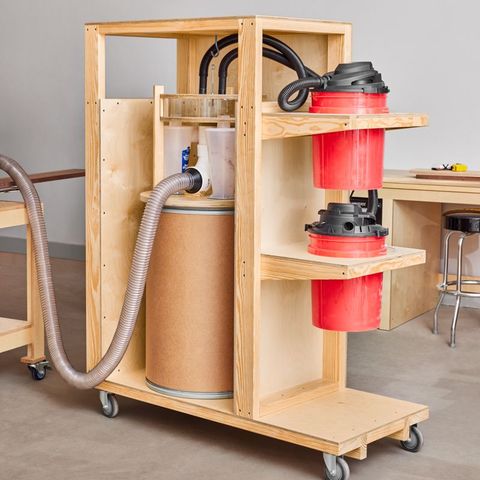
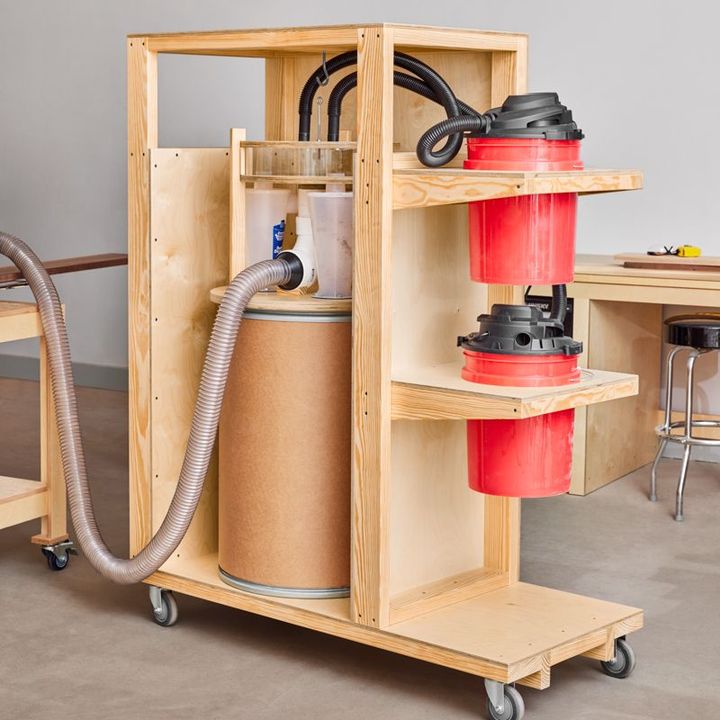
| Portable Dust Collectors | Compact units that can be moved between machines | Small workshops, hobbyists |
| Single-Stage Collectors | Basic collection using a single filtration stage | Light-duty applications |
| Two-Stage Collectors | Separates larger particles before filtration | Medium-sized workshops |
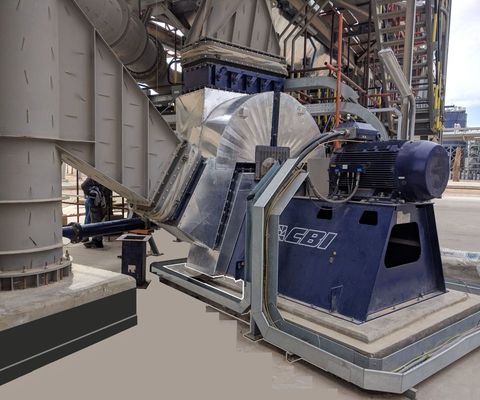
| Central Dust Collection Systems | Fixed ducting connected to multiple machines | Industrial facilities |
| Cyclone Dust Collectors | Uses centrifugal force to separate dust | High-volume operations |
By Filtration Method
-
Bag Filters – Cost-effective but less efficient for fine dust
-
Cartridge Filters – Higher filtration efficiency and easier maintenance
-
HEPA Filters – Capture extremely fine particles for sensitive environments
Latest Trends and Innovations
Wood dust collection technology continues to evolve in response to safety regulations and efficiency demands.
-
High-efficiency filtration: Advanced cartridge and HEPA filters capture finer particles
-
Smart monitoring systems: Sensors track airflow, filter condition, and system performance
-
Energy-efficient motors: Reduced power consumption without sacrificing performance
-
Modular system designs: Scalable setups that grow with workshop needs
-
Improved noise control: Quieter motors and acoustic enclosures
-
Compliance-focused designs: Systems aligned with OSHA and environmental standards
These innovations help both small and large operations maintain safer, more efficient environments.
Key Features to Consider
Before selecting a wood dust collector, consider the following checklist:
-
Airflow capacity (CFM) suitable for your machines
-
Filtration efficiency, especially for fine dust
-
Collection capacity and disposal method
-
Noise levels, particularly in enclosed spaces
-
System footprint and layout compatibility
-
Ease of maintenance, including filter access
-
Energy usage and operating costs
-
Compatibility with existing ductwork
Top Companies and Solutions
Below are well-known manufacturers offering wood dust collection solutions for workshops and industrial settings:
| Company | Focus Area | Website |
|---|---|---|
| Oneida Air Systems | Cyclone dust collectors | https://www.oneida-air.com |
| Donaldson Torit | Industrial dust collection | https://www.donaldson.com |
| Grizzly Industrial | Workshop dust collectors | https://www.grizzly.com |
| JET Tools | Small to mid-scale solutions | https://www.jettools.com |
| Camfil APC | Industrial air filtration | https://www.camfilapc.com |
| Nederman | Environmental and industrial systems | https://www.nederman.com |
Availability and product ranges may vary by region.
How to Choose the Right Wood Dust Collector
Selecting the right system depends on your operational needs:
-
Assess your workspace size and layout
-
List all dust-producing machines and their airflow requirements
-
Determine usage frequency (occasional vs continuous operation)
-
Check local safety regulations and compliance requirements
-
Compare system scalability for future expansion
-
Balance upfront costs with long-term maintenance expenses
-
Consult technical specifications and user reviews
Comparison Table: Workshop vs Industrial Systems
| Feature | Workshop Collectors | Industrial Collectors |
|---|---|---|
| Capacity | Low to moderate | High-volume |
| Mobility | Often portable | Fixed installations |
| Cost Range | Lower initial cost | Higher investment |
| Maintenance | Simple and infrequent | Scheduled and technical |
| Compliance | Basic safety needs | Strict regulatory standards |
Tips for Best Use and Maintenance
-
Clean filters regularly to maintain airflow
-
Inspect ductwork for leaks or blockages
-
Empty collection bins safely to prevent dust release
-
Monitor airflow performance over time
-
Replace worn seals and gaskets
-
Train staff on safe system operation
-
Schedule periodic professional inspections for large systems
Consistent maintenance extends system life and ensures reliable performance.
Frequently Asked Questions (FAQs)
1. Are wood dust collectors necessary for small workshops?
Yes. Even small workshops generate fine dust that can affect health and safety.
2. How often should filters be replaced?
This depends on usage and dust type, but most filters require inspection every few months.
3. Can one collector handle multiple machines?
Yes, if the airflow capacity and ducting are properly designed.
4. Are wood dust collectors noisy?
Noise levels vary. Many modern systems include noise-reduction features.
5. Is wood dust combustible?
Yes. Fine wood dust can be flammable, making proper collection essential.
6. Do dust collectors improve product quality?
Cleaner air reduces surface contamination, improving finish quality.
7. Can systems be upgraded later?
Many modular systems allow upgrades in filtration and capacity.
Conclusion: Supporting Safer and More Efficient Workspaces
Wood dust collectors are an essential part of modern woodworking environments. Whether used in a small workshop or a large industrial facility, these systems protect health, support compliance, and improve overall productivity. While selecting and maintaining the right dust collection system requires thoughtful planning, the long-term benefits often outweigh the challenges.