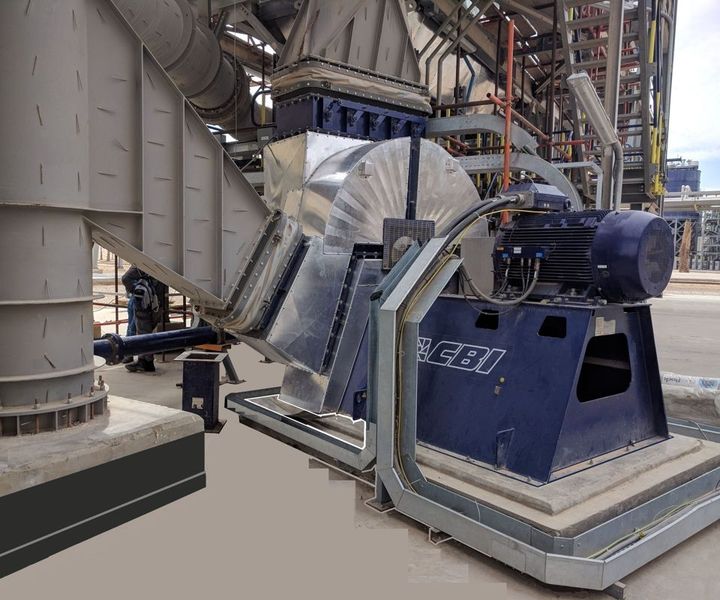
Learn About Industrial Blower Manufacturers and Industry Solutions
Industrial blowers play a critical role in modern manufacturing, processing, and infrastructure systems.
From moving air and gases in factories to supporting pollution control systems and material handling processes, these machines are essential for operational efficiency and workplace safety.
Industrial blower manufacturers design and produce equipment tailored to specific industry needs. Their solutions are used in sectors such as power generation, cement production, wastewater treatment, food processing, mining, chemicals, and HVAC systems.
If you are exploring industrial blower options—whether for a new facility, system upgrade, or research purposes—this guide explains how manufacturers operate, the types of blowers available, industry applications, and how to choose the right solution.
What Is an Industrial Blower?
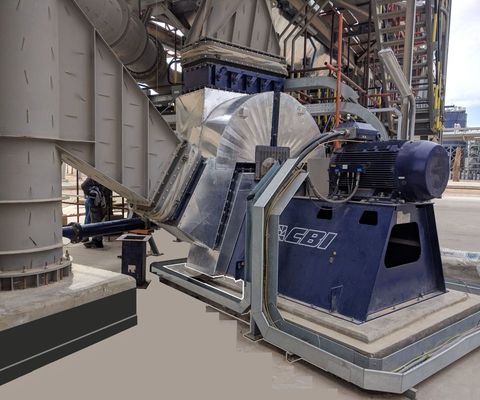
An industrial blower is a mechanical device designed to move air or gas at a specified pressure and flow rate. Unlike small household fans, industrial blowers are engineered for heavy-duty, continuous operation and often operate in demanding environments.
They are typically categorized between fans and compressors:
-
Fans move large volumes of air at low pressure.
-
Blowers operate at moderate pressure.
-
Compressors generate high pressure at lower flow rates.
Industrial blowers sit in the middle range, making them versatile for many industrial processes.
Benefits of Industrial Blowers
Industrial blowers offer several operational advantages:
1. Efficient Air and Gas Movement
Blowers maintain consistent airflow in ventilation systems, combustion chambers, and drying processes.
2. Improved Environmental Control
They support dust collection, fume extraction, and emission control systems, helping facilities meet regulatory standards.
3. Enhanced Process Performance
In industries such as cement or food production, controlled airflow ensures uniform drying, cooling, or material transport.
4. Energy Optimization
Modern designs emphasize energy efficiency, reducing operating costs when properly selected and maintained.
5. Customization Options
Manufacturers often provide application-specific configurations, materials, and pressure ratings.
Limitations and Considerations
While industrial blowers are versatile, there are practical considerations:
-
Initial capital cost can be significant.
-
Improper sizing may result in energy waste or reduced efficiency.
-
Maintenance requirements vary by type and operating conditions.
-
Noise levels may require mitigation measures.
-
Some designs are less suitable for corrosive or abrasive environments unless specialized materials are used.
Understanding these limitations helps avoid mismatched equipment and long-term operational challenges.
Types of Industrial Blowers
Industrial blowers are categorized by their operating principle.
1. Centrifugal Blowers
These use a rotating impeller to increase air velocity and pressure.
Common applications:
-
Dust collection
-
HVAC systems
-
Combustion air supply
-
Material handling
2. Positive Displacement Blowers
These trap and move fixed volumes of air.
Common applications:
-
Wastewater aeration
-
Pneumatic conveying
-
Vacuum systems
3. Axial Blowers
These move air parallel to the shaft and are suited for high-flow, low-pressure needs.
Common applications:
-
Ventilation
-
Cooling towers
-
Tunnel ventilation
4. Regenerative (Side Channel) Blowers
These provide steady airflow with moderate pressure in compact systems.
Common applications:
-
Aquaculture
-
Medical equipment
-
Industrial packaging
Comparison Table: Blower Types
| Type | Pressure Range | Flow Rate | Best For | Maintenance Level |
|---|---|---|---|---|
| Centrifugal | Medium | Medium | Dust collection, HVAC | Moderate |
| Positive Displacement | Medium-High | Low-Medium | Aeration, pneumatic conveying | Moderate |
| Axial | Low | High | Ventilation, cooling | Low |
| Regenerative | Medium | Low-Medium | Compact, steady airflow systems | Low-Moderate |
Key Industries That Use Industrial Blowers
Industrial blower manufacturers serve diverse sectors:
-
Power generation
-
Cement and construction materials
-
Chemical processing
-
Mining and metallurgy
-
Oil and gas
-
Food and beverage
-
Pharmaceutical production
-
Water and wastewater treatment
-
Pulp and paper
-
HVAC and building systems
Each industry has specific airflow, pressure, temperature, and material compatibility requirements.
Latest Trends and Innovations
Industrial blower technology continues to evolve to improve efficiency and sustainability.
1. Energy-Efficient Designs
Manufacturers focus on aerodynamic improvements and high-efficiency motors.
2. Variable Frequency Drives (VFDs)
VFD integration allows speed control based on demand, reducing energy consumption.
3. Smart Monitoring Systems
Sensors and IoT-enabled platforms enable real-time performance tracking and predictive maintenance.
4. Noise Reduction Engineering
Improved casing designs and acoustic insulation reduce sound output.
5. Corrosion-Resistant Materials
Advanced coatings and stainless steel options extend lifespan in harsh environments.
Key Features to Consider
When evaluating industrial blower manufacturers or models, consider the following:
Performance Specifications
-
Airflow rate (CFM or m³/h)
-
Pressure requirement (static pressure)
-
Operating temperature
-
Motor power rating
Material Construction
-
Carbon steel
-
Stainless steel
-
Coated metals
-
Composite materials
Energy Efficiency
-
Motor efficiency rating
-
VFD compatibility
-
Energy certification standards
Maintenance Accessibility
-
Ease of part replacement
-
Lubrication requirements
-
Bearing accessibility
Compliance and Safety
-
Industry standards
-
Environmental regulations
-
Explosion-proof options if required
Leading Industrial Blower Manufacturers
Several established manufacturers operate globally. The following companies are widely recognized for industrial blower solutions:
-
Atlas Copco (https://www.atlascopco.com)
-
Gardner Denver (https://www.gardnerdenver.com)
-
Howden (https://www.howden.com)
-
Kaeser Compressors (https://www.kaeser.com)
-
Aerzen (https://www.aerzen.com)
-
Tuthill Corporation (https://www.tuthill.com)
These companies offer a range of centrifugal, rotary lobe, and specialty blower systems. Comparing product catalogs, technical data sheets, and service networks can help narrow options.
Comparison Checklist for Evaluating Manufacturers
Use this checklist when reviewing suppliers:
-
Offers required blower type
-
Provides technical documentation
-
Has local service support
-
Meets industry certification standards
-
Offers energy-efficient models
-
Provides spare parts availability
-
Transparent warranty information
-
Customization capabilities
How to Choose the Right Industrial Blower
Selecting the right blower involves both technical evaluation and practical planning.
Step 1: Define Application Requirements
Determine airflow volume, pressure needs, temperature range, and material compatibility.
Step 2: Conduct System Analysis
Review duct design, pressure losses, and operating cycles.
Step 3: Evaluate Total Cost of Ownership
Consider:
-
Initial purchase cost
-
Energy consumption
-
Maintenance expenses
-
Expected lifespan
Step 4: Consult Technical Documentation
Manufacturer performance curves are critical for accurate sizing.
Step 5: Assess Service Support
Reliable after-sales service and parts availability can reduce downtime.
Tips for Best Use and Maintenance
Proper operation extends equipment life and improves efficiency.
Routine Maintenance Practices
-
Inspect belts and bearings regularly
-
Monitor vibration levels
-
Check alignment
-
Clean filters and ducts
-
Lubricate moving components as recommended
Energy Optimization Tips
-
Use VFDs where applicable
-
Avoid oversizing equipment
-
Monitor system airflow periodically
-
Address leaks in duct systems
Operational Best Practices
-
Avoid sudden startup loads
-
Maintain balanced airflow
-
Train operators on basic troubleshooting
Frequently Asked Questions
What is the difference between a blower and a compressor?
A blower moves air at moderate pressure, while a compressor generates much higher pressure and is often used for compressed air systems.
How long do industrial blowers typically last?
With proper maintenance, many industrial blowers operate effectively for 10 to 20 years.
Are industrial blowers energy-intensive?
Energy use depends on size and application. Proper sizing and speed control significantly reduce consumption.
Can blowers operate in corrosive environments?
Yes, when built with corrosion-resistant materials or protective coatings.
How often should maintenance be performed?
Routine inspection schedules vary, but monthly visual checks and annual comprehensive servicing are common practices.
Practical Evaluation Framework
Before making a decision, ask:
-
Does the blower match airflow and pressure requirements?
-
Is the motor energy-efficient?
-
Are spare parts accessible?
-
Is technical support available?
-
Is the system adaptable to future expansion?
A structured approach reduces operational risks and long-term costs.
Conclusion
Industrial blower manufacturers provide essential equipment that supports ventilation, material handling, pollution control, and numerous industrial processes. Understanding the types of blowers available, their benefits and limitations, and the latest technological developments can help organizations make informed decisions.
Choosing the right industrial blower is not just about performance specifications. It involves evaluating efficiency, maintenance requirements, lifecycle costs, and manufacturer reliability. By carefully assessing application needs and comparing available solutions, businesses can select equipment that supports long-term operational stability and compliance.